The textile market across Pakistan and the Gulf region is experiencing dynamic shifts. Consumer preferences are evolving, sustainability concerns are growing, and new technologies are reshaping production. For businesses in the fabric industry, understanding these trends is essential for strategic planning.
The Premium Quality Movement
Across both Pakistani and Gulf markets, consumers increasingly prioritize quality over price. This shift reflects rising incomes, greater fashion awareness, and negative experiences with low-quality imports. Customers now scrutinize fabric composition, durability, and finish—willing to pay premium prices for materials that deliver.
This trend particularly affects retailers and wholesalers. Customers expect staff to explain fabric characteristics, compare options knowledgeably, and stand behind quality claims. Suppliers unable to guarantee consistent quality face declining relevance.
What This Means for Businesses:
- Stock premium fabric lines alongside value options
- Train staff on quality indicators and fabric care
- Build relationships with suppliers offering proven quality assurance
- Communicate quality clearly in marketing and product descriptions
Traditional Meets Contemporary
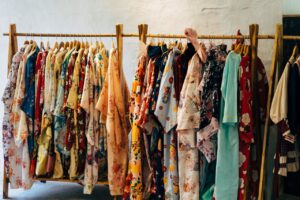
An interesting dynamic is emerging: strong demand for traditional fabrics paired with modern functionality. Customers want classic designs and textures but expect contemporary performance—wrinkle resistance, easy care, color fastness, and comfort in varying climates.
This fusion creates opportunities for manufacturers who can innovate while respecting traditional aesthetics. Wash-and-wear versions of traditional fabrics, for instance, meet modern lifestyle demands without sacrificing cultural authenticity.
Market Applications:
- Men’s formal wear combining traditional patterns with easy-care properties
- Women’s fashion fabrics offering traditional looks with modern drape and comfort
- Children’s clothing balancing cultural designs with practical durability
Seasonal Collection Importance
Both Pakistani and Gulf markets show strong seasonal buying patterns. Wedding seasons, religious festivals, and cultural celebrations drive significant fabric purchases. However, customers now expect curated seasonal collections rather than generic inventory.
Successful retailers and wholesalers work with suppliers offering distinct seasonal ranges that capture current color palettes, design trends, and occasion-specific requirements. This approach transforms seasonal buying from opportunistic to strategic.
Seasonal Strategy Elements:
- Early supplier engagement for exclusive seasonal designs
- Marketing campaigns aligned with cultural calendars
- Inventory planning that balances core items with trending products
- Post-season analysis to refine future seasonal selections
The Gulf Market Opportunity
Saudi Arabia and the UAE represent substantial growth opportunities for Pakistani textile suppliers. These markets value quality, have strong purchasing power, and maintain cultural connections that favor traditional-modern fabric blends.
However, Gulf markets also demand professionalism: consistent quality, reliable delivery, proper documentation, and responsive service. Suppliers succeeding in these markets typically operate with established infrastructure rather than opportunistic exports.
Gulf Market Requirements:
- Quality certifications and compliance with regional standards
- Reliable logistics and customs clearance capabilities
- Local presence or strong distributor relationships
- Understanding of regional preferences and cultural nuances
- Ability to service large orders with consistent quality
Wholesale and Bulk Buying Trends
The wholesale segment is consolidating around suppliers offering complete solutions. Rather than sourcing men’s fabrics from one supplier, women’s from another, and children’s from a third, wholesalers prefer comprehensive suppliers who simplify operations.
This consolidation rewards suppliers with diverse product ranges, strong manufacturing capabilities, and efficient distribution. Companies offering one-stop fabric solutions capture greater market share as wholesalers prioritize operational efficiency.
Wholesale Priorities:
- Supplier reliability and consistent product availability
- Competitive pricing on bulk orders
- Flexible minimum order quantities
- Technical support and product knowledge
- Quick turnaround on reorders
Sustainability Considerations
While price and quality remain primary considerations, sustainability is entering conversations—particularly among younger consumers and international buyers. Fabric production’s environmental impact, water usage, and chemical processes face increasing scrutiny.
Forward-thinking suppliers are addressing these concerns proactively: optimizing production processes, reducing waste, and exploring sustainable materials. While not yet dominant factors, environmental considerations are becoming competitive differentiators.
Sustainability Actions:
- Transparent communication about production processes
- Investment in water and energy efficiency
- Waste reduction programs
- Exploration of organic and recycled fiber options
- Compliance with international environmental standards
Technology and Innovation
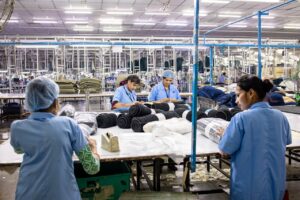
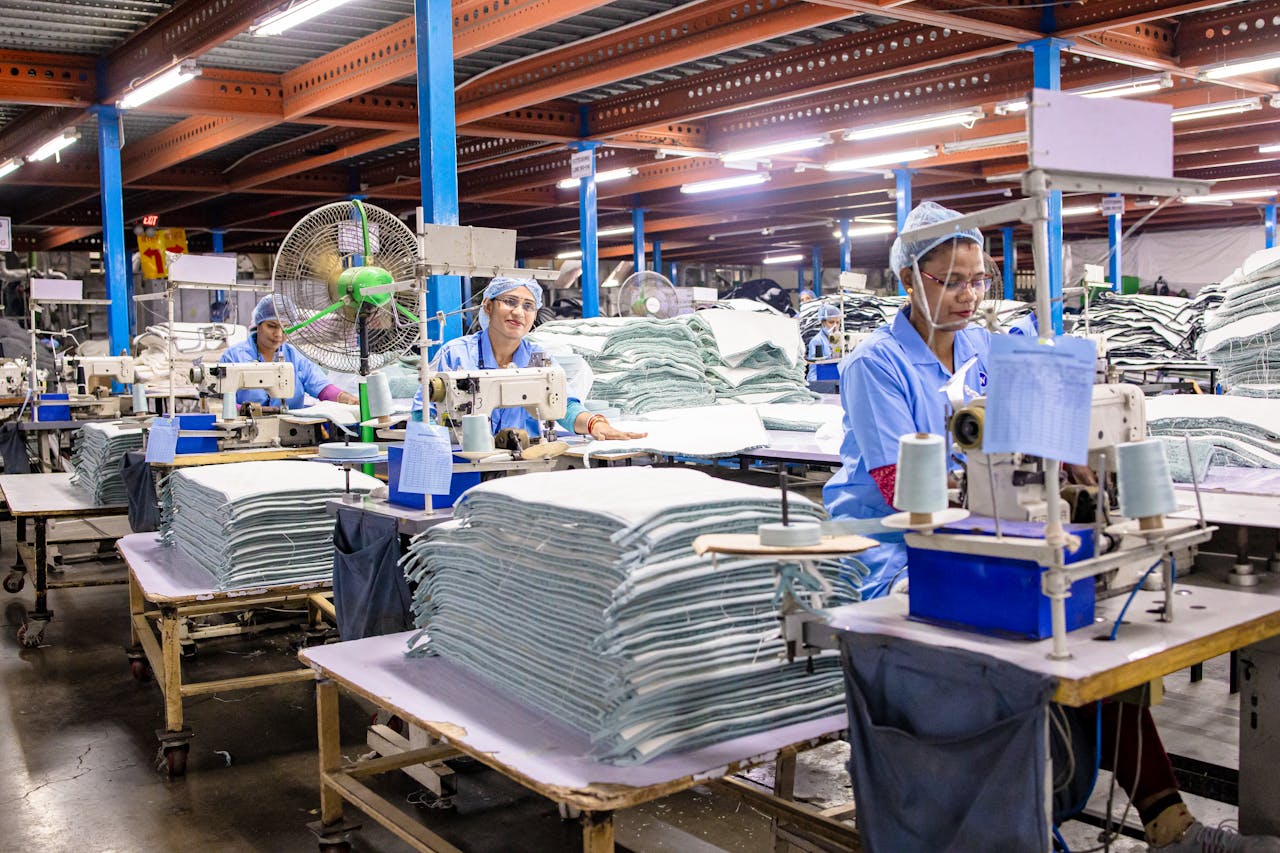
Modern textile manufacturing incorporates technologies that improve quality and efficiency. Computer-controlled weaving, automated quality inspection, and advanced dyeing processes produce superior fabrics with less variation.
For buyers, this means partnering with suppliers who invest in modern manufacturing. The quality consistency and production capacity enabled by technology translate to better business outcomes.
E-commerce and Digital Presence
While physical stores remain important, digital channels increasingly influence purchasing decisions. Customers research fabrics online, compare options, and often decide before visiting stores. Wholesalers use digital platforms to discover suppliers and evaluate offerings.
Successful fabric businesses maintain strong digital presence: informative websites, clear product information, responsive communication, and professional branding. This digital foundation supports both direct sales and traditional distribution channels.
Looking Ahead
The textile market across Pakistan and the Gulf will continue evolving. Quality expectations will rise, seasonal trends will accelerate, and professional suppliers will consolidate market share. Businesses aligned with these trends—offering quality, reliability, comprehensive ranges, and modern professionalism—are positioned for sustained growth.
At Almarwan Fabrics, we’ve structured our business around these market realities. Our in-house manufacturing ensures quality consistency, our extensive distribution network serves diverse markets efficiently, and our comprehensive product range simplifies sourcing for retailers and wholesalers alike.
Understanding where the market is heading allows us to invest strategically, develop relevant products, and build partnerships that succeed long-term.