
For retailers and wholesalers in the textile business, fabric selection can make or break your success. Quality issues lead to returns, damage your reputation, and erode profit margins. Yet many buyers struggle to distinguish genuinely premium fabrics from those that merely appear high-quality.
This guide walks you through the key considerations when sourcing fabrics for your business.
Understanding Fabric Quality Indicators
Thread Count and Weave Density
While thread count matters, it’s not the only quality indicator. The weave structure, yarn quality, and finishing processes all contribute to a fabric’s performance. Premium fabrics combine appropriate thread count with tight, consistent weaving that prevents pilling and maintains shape.
Fiber Quality
The source and grade of fibers significantly impact fabric quality. Superior cotton fibers are longer, stronger, and produce smoother fabrics. Synthetic blends should enhance durability without compromising comfort. Always ask suppliers about their fiber sourcing and grading processes.
Color Fastness
Quality fabrics maintain their color through washing and wear. Test samples by washing them multiple times—colors should remain vibrant without bleeding or fading. This is particularly crucial for fashion fabrics and seasonal collections where color is a key selling point.
Hand Feel and Drape
Physical inspection reveals much about fabric quality. Premium fabrics have a pleasant hand feel—neither too rough nor artificially slick. They drape naturally, recover from wrinkling, and show consistent texture across the entire piece.
Supplier Evaluation: Beyond Price
Manufacturing Capabilities
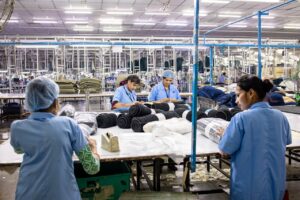
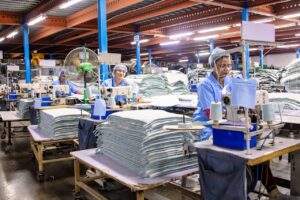
Suppliers with in-house manufacturing offer significant advantages: consistent quality control, faster response to issues, and greater flexibility in customization. Companies that merely trade fabrics lack control over quality and often cannot address problems effectively.
At Almarwan Fabrics, our vertically integrated operations mean we oversee every production stage. This control allows us to maintain consistency across large orders and quickly address any quality concerns.
Supply Chain Reliability
Can your supplier deliver on time, every time? Consistent inventory availability and reliable logistics separate professional suppliers from those who create business headaches. Evaluate their distribution network, warehousing capacity, and order fulfillment track record.
Scale and Stability
Suppliers with physical presence and proven track records offer greater security. A company with 40+ branches demonstrates market trust and financial stability—important factors when placing significant orders or establishing long-term partnerships.
Product Range Considerations
Diverse Offerings
Comprehensive suppliers simplify your sourcing. Rather than coordinating with multiple vendors for men’s fabrics, women’s collections, and children’s materials, working with a supplier offering complete ranges streamlines operations and often improves pricing.
Seasonal Adaptability
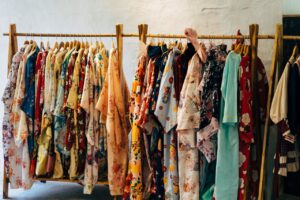
Fashion and fabric preferences shift with seasons. Your supplier should offer updated collections that reflect current trends while maintaining staple items. This balance allows you to serve fashion-conscious customers while meeting everyday demands.
Customization Options
For retailers building unique identities or wholesalers serving specific markets, customization capabilities matter. Can your supplier accommodate special orders, develop exclusive designs, or modify existing products to meet particular requirements?
Building Strategic Partnerships
Communication and Support
Responsive suppliers who understand your business needs become true partners. Look for companies that offer technical guidance, market insights, and proactive communication about new products or potential supply issues.
Competitive but Sustainable Pricing
The lowest price often signals compromised quality. Seek suppliers offering competitive rates while maintaining quality standards. Sustainable pricing reflects realistic business operations and suggests the supplier will remain stable long-term.
Growth Alignment
As your business expands, can your supplier scale with you? Suppliers with strong manufacturing capacity, growing distribution networks, and regional or international presence can support your expansion into new markets.
Quality Assurance Practices
Inspection Protocols
Implement systematic quality checks for incoming fabric. Random sampling reveals consistency issues early. Document any problems and track supplier performance over time.
Return Policies and Guarantees
Understand your supplier’s stance on quality issues. Clear return policies and quality guarantees demonstrate confidence in their products and commitment to customer satisfaction.
Continuous Improvement
The best supplier relationships involve ongoing dialogue about quality improvements, market trends, and business needs. Regular reviews ensure both parties remain aligned and identify opportunities for better service.
Making the Decision
Choosing a fabric supplier involves balancing multiple factors: quality, reliability, pricing, range, and partnership potential. Companies that control their manufacturing, maintain extensive distribution networks, and demonstrate consistent quality offer the best foundation for long-term business relationships.
Whether you’re a retailer building your inventory or a wholesaler seeking reliable sources for bulk orders, thorough supplier evaluation protects your investment and supports your business growth.
At Almarwan Fabrics, we’ve built our reputation on the principles outlined in this guide. Our in-house manufacturing, quality control systems, extensive product range, and growing global presence position us as partners committed to your success.